
Thyroid cancer surgery involves removing part or all of the thyroid gland, and the extent depends on the type and stage of cancer. Two nerves controlling your voice and calcium regulating parathyroid glands sit close to the thyroid, which is why careful technique matters here.
Signs Worth Getting Checked
Should You Be Worried?
Thyroid surgery is one of the more predictable and well established procedures in surgical oncology, with a strong safety record. What matters most is having the right extent of surgery planned for your specific case, and understanding your options before the day of surgery, not just going along with a default plan.
What Raises Your Risk
The risk factors for needing thyroid surgery mirror those for thyroid cancer generally: prior radiation exposure to the head or neck, a family history of thyroid cancer, and certain inherited genetic conditions. Many patients have no identifiable risk factor at all.
How It's Diagnosed
Examination and ultrasound to assess the nodule that led to a surgery recommendation.
Biopsy results confirming the diagnosis and guiding how extensive surgery needs to be.
Pre-surgical imaging to plan the safest approach around nearby nerves and glands.
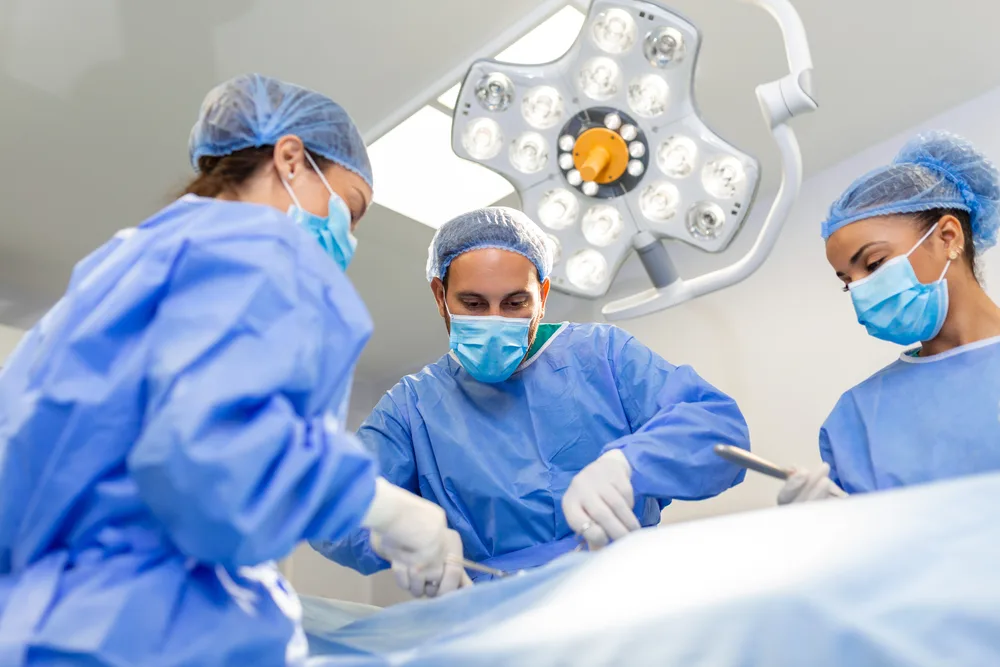
How It's Treated
- Lobectomy: removal of one half of the thyroid, used for smaller, lower risk cancers.
- Total thyroidectomy: removal of the entire gland, used for larger or higher risk cancers.
- Central or lateral neck dissection: removal of nearby lymph nodes if there is a risk of spread.
- Robotic thyroidectomy: a scar free option through a hidden incision, available for suitable cases.
- Nerve monitoring: used throughout to protect the nerves controlling your voice.
Most patients go home within one to two days and return to normal activity within one to two weeks. Voice changes are usually temporary if they occur at all, and calcium levels are monitored closely in the days after surgery, since the parathyroid glands sit close to the thyroid.
Frequently Asked Questions
Nerve monitoring is used throughout surgery specifically to protect the nerves controlling your voice, and most patients notice no lasting change.
If the entire thyroid is removed, yes, a daily thyroid hormone tablet is needed afterward. This is discussed in detail before your surgery.
It depends on the size, type and location of the cancer, and is planned individually based on your imaging and biopsy results.
Robotic thyroidectomy is available for suitable cases and is discussed as an option during your consultation.
This depends on your specific case and any additional tests needed. Your timeline is discussed clearly during your first visit.
Book Your Thyroid Surgery Consultation in Pune
Thyroid surgery is a bigger decision when you understand exactly what is involved. Dr Vidita Powle Danait provides expert thyroid cancer surgery in Pune, including robotic options.