
The parotid glands sit just in front of each ear, and the nerve that controls facial movement runs directly through them. That’s what makes this surgery different, it isn’t only about removing the tumour, it’s about protecting the ability to smile, blink and speak normally afterward.
Signs Worth Getting Checked
Should You Be Worried?
Slow, gradual growth is typical of a benign tumour, and most parotid lumps are exactly that. Facial weakness alongside the lump is uncommon with benign tumours and one of the clearer signs a specialist should look at promptly. Either way, imaging and a needle biopsy are the only reliable way to know for sure.
Already Have a Scan or Report? Considering a Second Opinion?
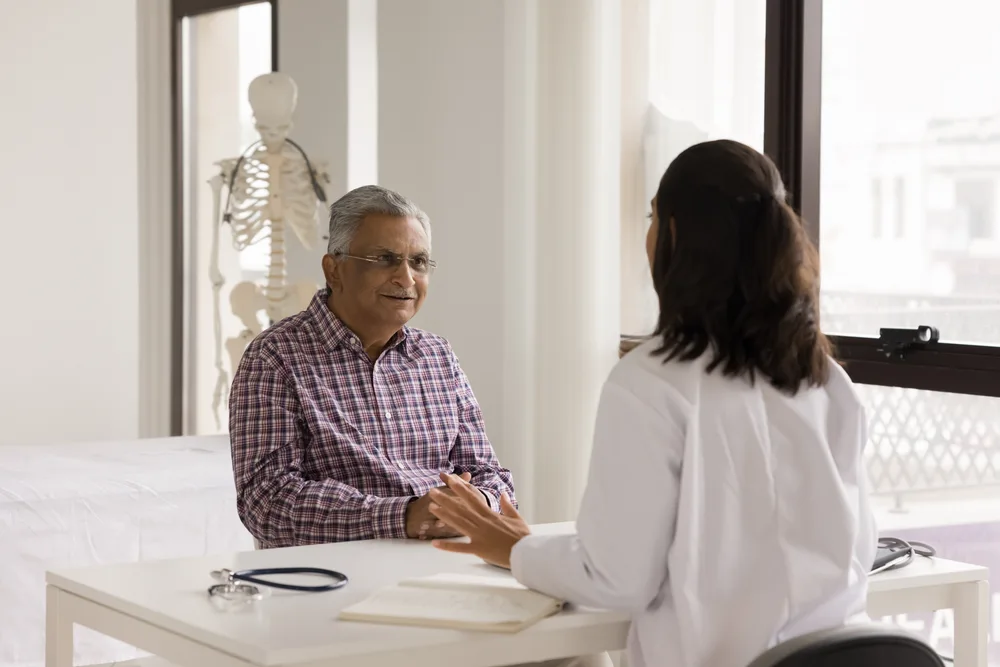
If a doctor has already found a parotid lump on examination or imaging, or you’re weighing a second opinion before deciding on surgery, that’s a reasonable step to take, not a delay. A second opinion can confirm the diagnosis, clarify the surgical approach, and give you and your family confidence before moving forward.
Bring your existing reports to your consultation with Dr. Powle so they can be reviewed as part of the visit.
What Raises Your Risk
Most parotid tumours occur without a clear identifiable cause. Prior radiation exposure is a known risk factor, and these tumours become more common with age, but a new lump at any age is worth evaluating.
How It’s Diagnosed
Examination of the lump’s size, location and how it feels.
Imaging to map its relationship to surrounding structures, including the facial nerve.
Needle biopsy to help determine whether it’s likely benign or malignant before surgery.
How It’s Treated
- Parotidectomy (surgical removal of part or all of the gland), with the extent guided by size, location and biopsy findings.
- Nerve monitoring used throughout surgery to identify and preserve the facial nerve in real time.
- For malignant tumours, nearby lymph nodes may also need removal, with radiation in some cases afterward.
- Robotic or minimally invasive approaches available for suitable cases.
Frequently Asked Questions
Preserving facial nerve function is central to planning, and most patients maintain normal facial movement afterward.
Yes, existing scans and biopsy reports can be reviewed remotely for a preliminary opinion.
Most are benign, but a lump that grows quickly, causes pain, or comes with facial weakness should be evaluated promptly.
Most straightforward cases recover within one to two weeks. Age alone doesn’t usually change this significantly.
Book Your Parotid Tumour Consultation in Pune
A lump near the ear, yours or a parent’s, deserves a proper diagnosis. Dr. Vidita Powle Danait provides specialist parotid tumour evaluation and parotidectomy in Pune.